Idea to Product Sprint

From an idea in your head to a product in your hands.

  • Defined scope.
  • Fixed fee for qualifying projects.
  • Working software.

You have an idea, a business opportunity, or a problem worth solving. We help you turn it into working software through a focused engagement with an agreed scope and an engineering team responsible for delivery.

01 / The first release

Make the first decision smaller.

You can see what the product should do. The hard part is deciding where to start and who can carry it through to release.

A full development initiative can call for a roadmap, a team, and a budget before you know which workflow people will actually use. A demonstration can make an idea easier to explain. A usable release goes further: it gives a real user a way to complete the task and handles the agreed data, decisions, and failures along the way.

We narrow the initial commitment by choosing a workflow worth delivering on its own. That gives both sides a concrete basis for choosing the right technical partner, agreeing on the engineering it requires, and deciding what can wait until people have used it.

02 / Possible starting points

What could we build together?

These are examples of problems we could scope for a sprint. The first release depends on the workflow and the systems it needs to connect to.

Digital product MVP
Give a defined group of early users a way to complete the task your product is built around, so you can learn from actual use.
Booking and scheduling
Let customers see available times and request or confirm a booking without a long exchange of messages.
Commerce and ordering
Give buyers a way to place a specific type of order and pass the information your team needs to fulfill it.
Internal business application
Replace a spreadsheet-and-email handoff with a shared workflow for submitting, assigning, and tracking work.
Customer portal
Give customers a place to submit requests or check progress when the same questions repeatedly reach your team.
Specialized operational tool
Support a business-specific task, such as checking an order against its requirements before it moves to fulfillment.

03 / Scope and terms

One sprint. One defined outcome. One flat fee.

A fixed fee works when both sides can describe what will be delivered and agree on how to tell when it is ready.

Before implementation we clarify the users, workflow, required data and integrations, and who can provide access and make decisions. Together we prioritize the smallest release worth using and agree on acceptance scenarios, deployment, and handover. For qualifying projects, we agree on the fee and schedule before building.

If new requirements emerge, we can defer them to a later release or agree on changes to scope, fee, and schedule before incorporating them. If discovery leaves important dependencies unresolved, those need to be addressed before a fixed-fee commitment makes sense.

04 / The handover

A first release you can build on.

You leave with working software and enough technical context for the next team to understand, operate, and extend it.

Defined product scope
A shared record of the users, tasks, and boundaries for the release, including the decisions still open for later versions.
Working software
A usable implementation of the agreed workflow, including the backend and integrations it needs within scope.
Deployment and acceptance
A release to the environment we agree on and a walkthrough of the acceptance scenarios with the people who know the workflow.
Documentation and technical handover
The information the next technical owner needs to understand the system, its dependencies, and how to release changes.

05 / Delivery

How a sprint moves from idea to release.

Each stage gives you something concrete to review or decide.

  1. Understand the opportunity

    We talk through the person doing the work, what is hard today, and the outcome that would make a first release worthwhile.

  2. Define the smallest valuable release

    We sketch the core journey and identify which features and integrations it actually needs to work.

  3. Agree scope, fee, and schedule

    We confirm prerequisites, responsibilities, the delivery environment, and how you’ll accept the result before implementation starts.

  4. Build and validate

    We implement the agreed workflow and review working software with you. Acceptance scenarios give us a shared way to verify the result.

  5. Deploy and hand over

    We release to the agreed environment, walk through operation and technical documentation, and discuss what a later release could add.

06 / Related product engineering

From a business task to software people can use.

Invoicing / End-to-end product development

Timbrát

An invoicing concept needed to become a working business platform.

Juvasoft participated in product definition, design, engineering, and business integrations. The work connected the way a user approaches an invoice with the systems that support the task.

That connection matters in a first release: even a tightly scoped workflow needs the interface and the underlying business process to work together.
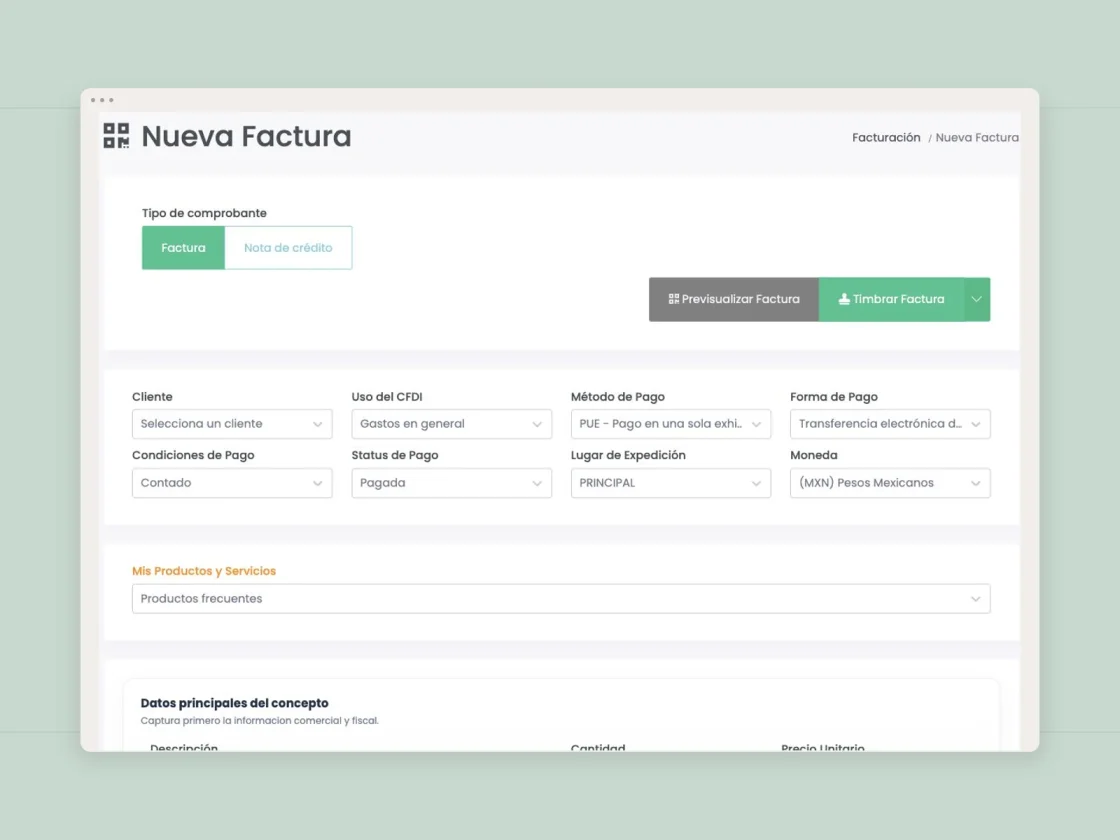
Blank authenticated Nueva Factura composer showing document type and CFDI options.
Read the Timbrát case study

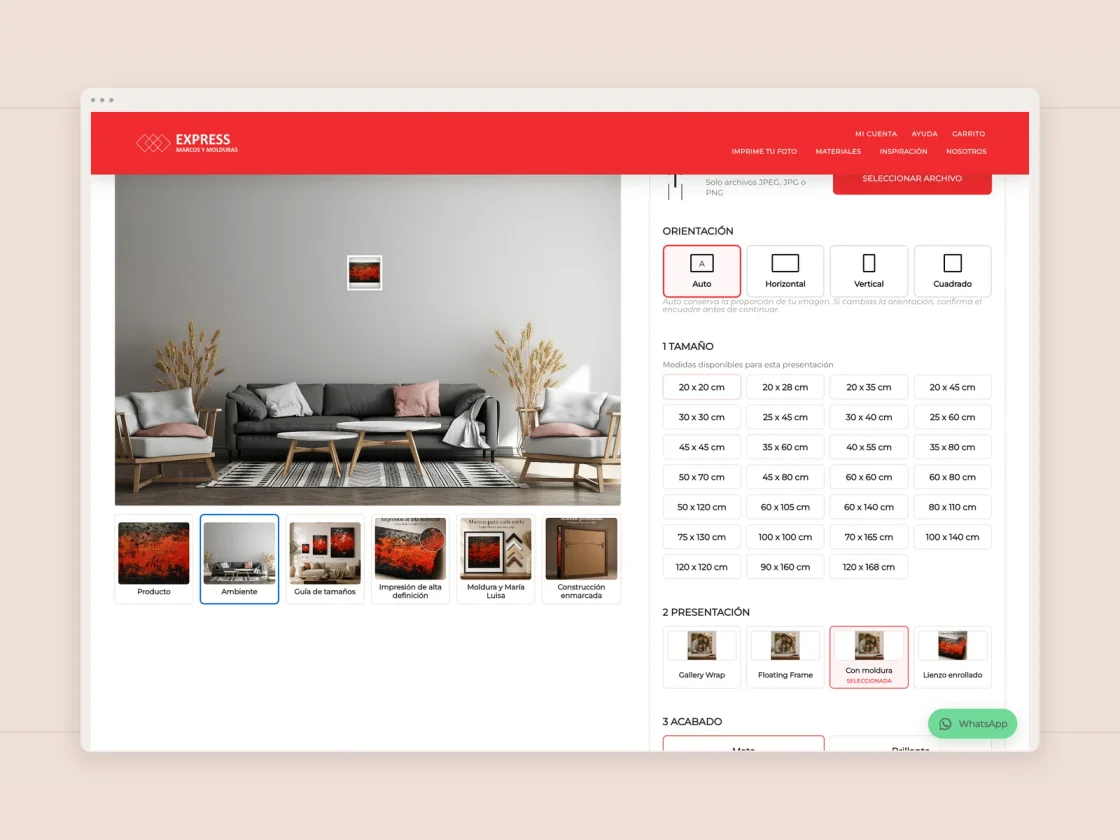
Custom framing / Platform adaptation

Marcos y Molduras

Custom framing required purchasing choices a conventional catalog did not cover.

Juvasoft adapted the Canvas Express commerce foundation to carry frame and material selections through the storefront and checkout.

For a focused release, the same judgment helps identify what needs custom engineering and what a suitable existing foundation can already support.

Framing configurator with the room preview, size choices and framed presentation selected.
Read the Marcos y Molduras case study

07 / Choosing an engagement

Can the first outcome stand on its own?

A sprint is a good fit when you can name the first users and the task they should complete. A decision-maker should be available to settle tradeoffs, review the work, and arrange access to the systems and assets we agree to use.

If key dependencies are unresolved, begin by understanding what can be bounded. Complex integrations, several dependent workflows, or a larger product initiative may need broader discovery and staged delivery.

Explore End-to-End Product Engineering

What would make your first release worth building?

Tell us who it would serve, what they need to do, and where they get stuck today. You can bring a rough idea. We’ll discuss what a useful first version would take.

Tell us about your idea